
FLEXHYBAT aims to develop a methodology for optimised battery sizing in future hybridisation projects in hydropower, considering the capacity of the hydropower unit, the ancillary services to provide and forecasts based on future scenarios, such as the negative effects of climate change or a massive entrance of new renewable energies.
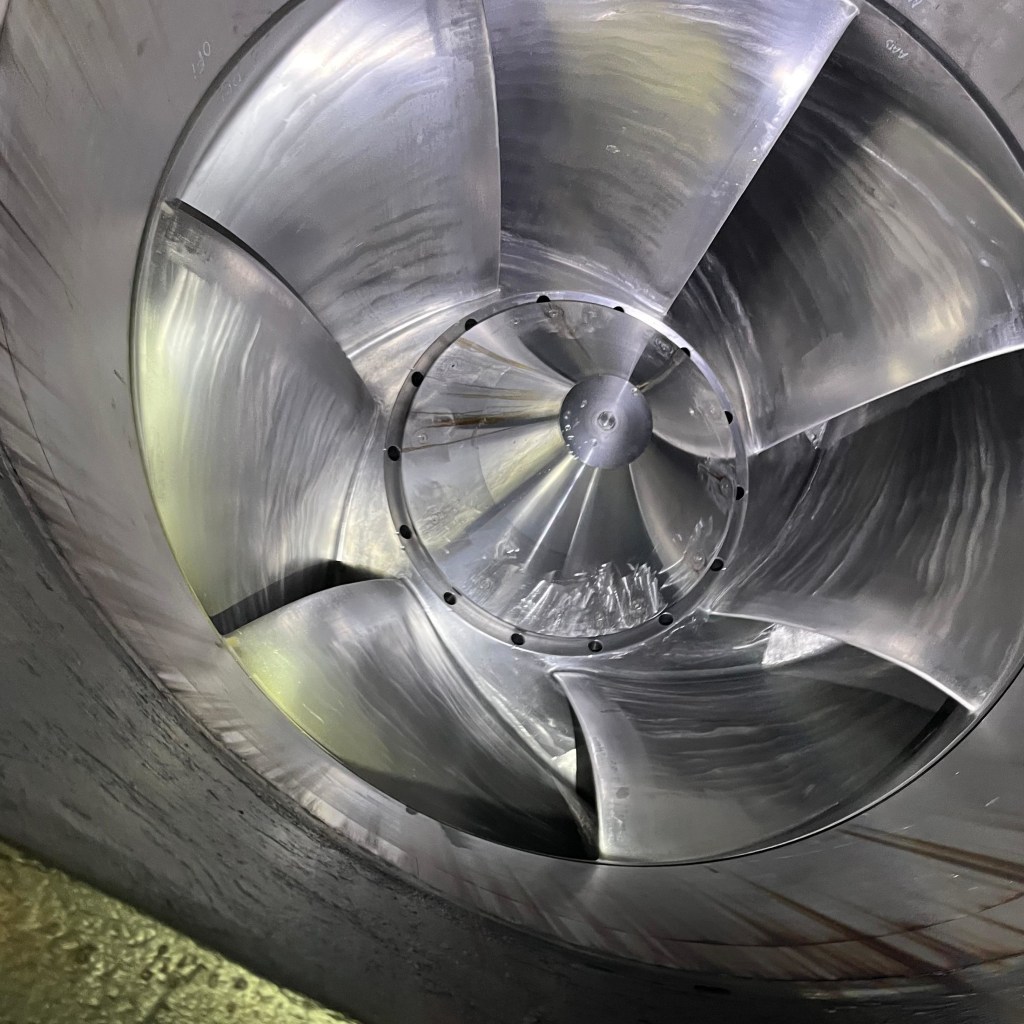
FLEXHYBAT has the goal to optimise
- the wear and tear of critical hydromechanical components,
- overall unit efficiency,
- quality of ancillary services,
- second life of used batteries,
- and return on investment and LCOE.
Key questions
How are FLEXHYBAT’s objectives laid out?
Three general objectives (GOx) were established for the project:
GO1: To understand the needs of hybridisation for hydropower generation units under a scenario of high penetration of renewable systems
GO2: To determine viable energy storage solution technologies, particularly, the use of second-life batteries as the basic unit for hybridisation
GO3: To implement a valid methodology and control of the energy storage solution based on the digital twin concept for the assessment of the hybrid unit performance under different grid conditions and for the required grid services
Each GO is then expanded to a set of specific objectives that are fully developed in the project’s work packages. Results on these objectives can be explored on this website.
What is the relevance of FLEXHYBAT’s objectives?

Thanks to the fast response time of battery energy storage when compared to the hydropower unit, some key features would be enabled in the hybridisation of hydropower-generating units; for instance, there could be a substantial increase of their critical hydromechanical components’ RUL, as the battery would absorb part of the driving mechanisms’ movements.
For double regulated units, a considerable amount of water could be saved by improving their overall efficency through battery systems.
Additionally, given the intermittence and unpredictability of new renewable energies, said hybridisation is expected to improve the power grid’s stability and control.
FLEXHYBAT’s starting hypothesis is that hybridized units can operate for longer, with more efficiency and providing better ancillary services.
How does the FLEXHYBAT team work to reach these objectives?
To reach the project’s goals, the participating research centres from UPC and UNIOVI are cooperating to complete the tasks and milestones included in the project’s thirteen work packages. Read more about the project’s participants and their roles here.
Moreover, through collaboration with companies, the project’s advances on research can be tested and applied to real-life scenarios.

Endesa Generación owns the Sallente-Gento Lake Pumped Storage Plant—the demonstrator on which analysis, digitalisation, monitoring and assessment are carried out. Endesa Generación fully supports the project by allowing for the installation of new sensors and measurement campaigns in the power station.

Cooltra Motors, a leading company in electrical motorbike sharing services, provides EPIC-UPC with second-life batteries for testing.

 FLEXHYBAT